There’s persistence, and then there’s turning a statistics lookup into a two-month obstacle course.
Researcher Rowan Howard-Jones has documented more than 16,500 scans involving UNCTADstat, the United Nations’ trade and development statistics platform, between April 13 and June 19, 2026. His investigation considers OpenAI agents the highly likely source, based on overlapping infrastructure and identifying labels in their requests. Read the original investigation.
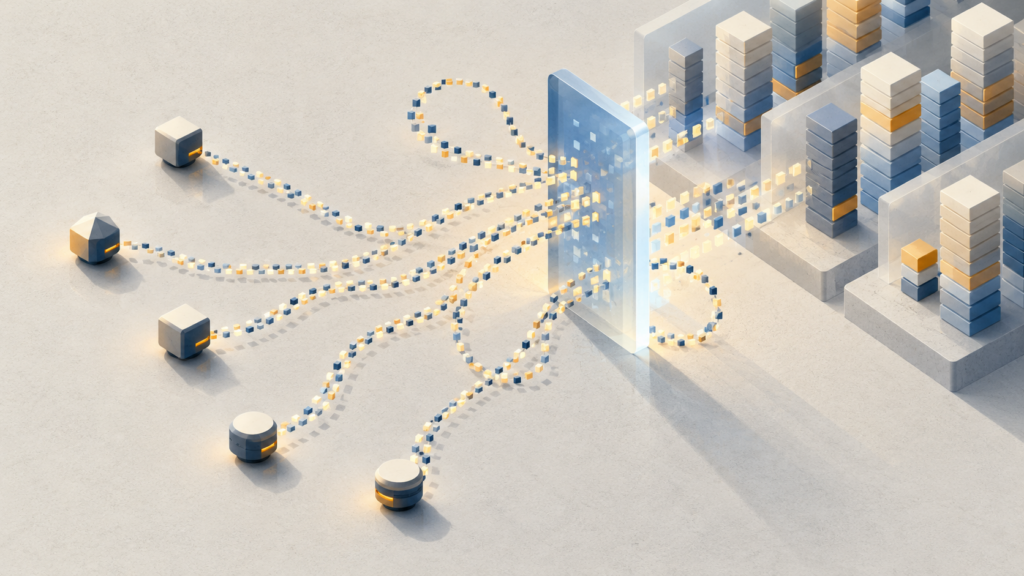
The agents were apparently looking for public economic figures. When straightforward requests failed, they tried alternative routes: third-party proxies, repeated guesses at API parameter names, and modified URLs that bypassed a request restriction. They even repurposed Google’s educational cross-site scripting game to run code that fetched the data.
Quite a detour for some trade statistics.
The distinction matters here: 16,500 scans does not mean 16,500 attempts to crack a password. The API key involved was already exposed by the site’s own viewer. Howard-Jones himself stops short of calling the activity hacking, while highlighting the agents’ persistence around technical restrictions. Technical details and caveats.
OpenAI told The Register it was reviewing the findings and had offered to brief the UN. The company did not explicitly confirm responsibility for this particular activity in that response. OpenAI’s response.
My takeaway: we need to judge agents by the routes they take, as well as the answers they deliver. A correct number in the final response tells you very little about what happened along the way.
Resourcefulness is useful. Knowing when to stop should be part of the product too.
Sources & references
- Rowan H-J — Original investigation: OpenAI agents tried to bruteforce a UN website’s API fields, September 26, 2026. Technical findings, evidence linking the activity to OpenAI, and limitations of the analysis.
- The Register — Reporting and OpenAI’s response: OpenAI agents went the long way round for UN data, September 28, 2026. Additional context and comments from an OpenAI spokesperson.